Your Complete Guide to a Japan Rail Vacation
A Japan rail vacation combines the speed and comfort of the country’s famous trains with immersive cultural experiences, centrally located hotels, and expert local support. Railbookers’ locally hosted journeys give travelers the freedom of independent travel without leaving them to navigate every detail on their own. From luggage and train boarding to guides, cash, walking, and temple etiquette, a little preparation helps make the experience smooth from the start.
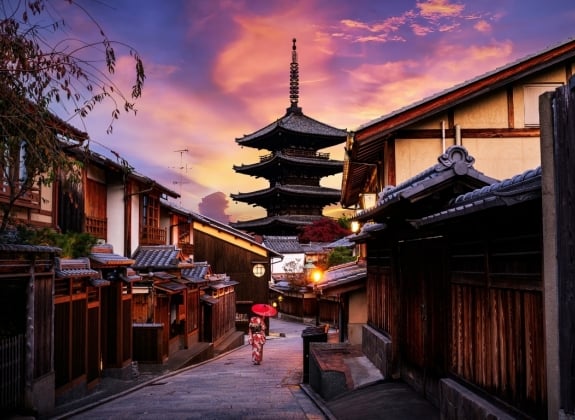
Japan is one of the world’s most exciting destinations to explore by rail. In a single trip, travelers can experience the energy of Tokyo, the temples of Kyoto, the cuisine of Osaka, the traditions of Kanazawa, and views of Mount Fuji, all connected by an efficient rail network.
That does not mean travelers have to figure everything out themselves.
Railbookers’ locally hosted Japan tours combine independent-style travel with the reassurance of English-speaking local hosts and guides. The logistics are thoughtfully coordinated, while travelers still have the flexibility and free time to experience Japan at their own pace.
Whether you are planning your own vacation or helping a client prepare for the journey, here is what to expect.
What is included in a Railbookers Japan vacation?
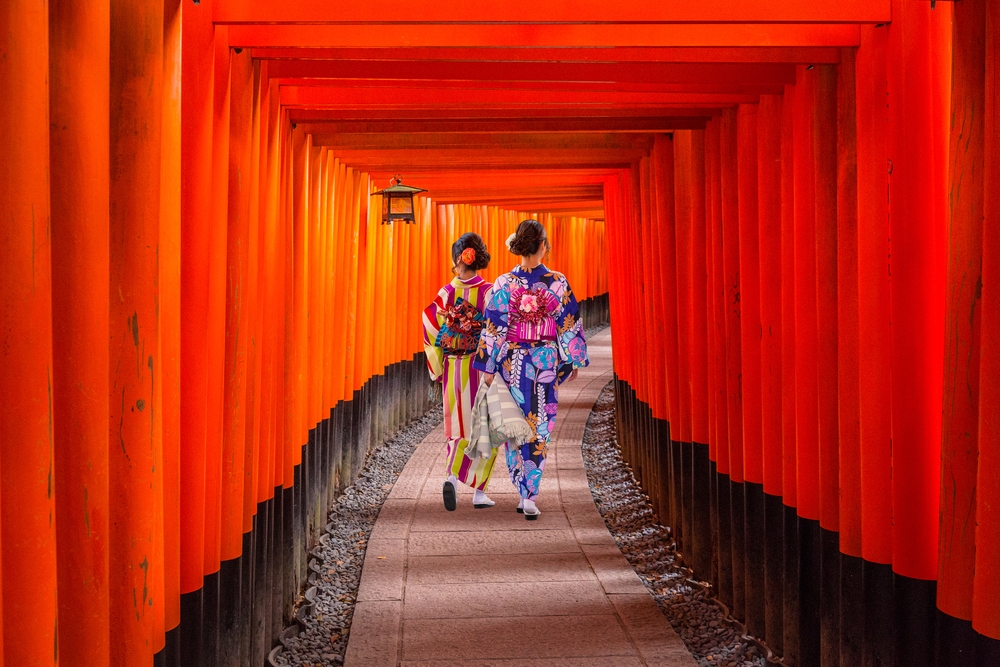
Inclusions vary by itinerary, but Railbookers’ locally hosted Japan tours bring together the major pieces of the journey in one coordinated vacation.
Depending on the trip, inclusions may feature:
- Tickets on Shinkansen bullet trains in Green Car seating and Limited Express trains
- Four-star or better centrally located hotels
- English-speaking local hosts and guides
- Guided cultural experiences
- Regional food and dining experiences
- Private touring, including select Mount Fuji experiences
- Train tickets and attraction vouchers
- Luggage transfers on select itineraries
Cultural activities may include experiences such as sushi-making, taiko drumming, geisha dinners, and private sightseeing. These are designed to go beyond simply visiting Japan’s most famous destinations and help travelers connect with the traditions, cuisine, and hospitality that make the country so distinctive.
How guided is a locally hosted Japan rail vacation?
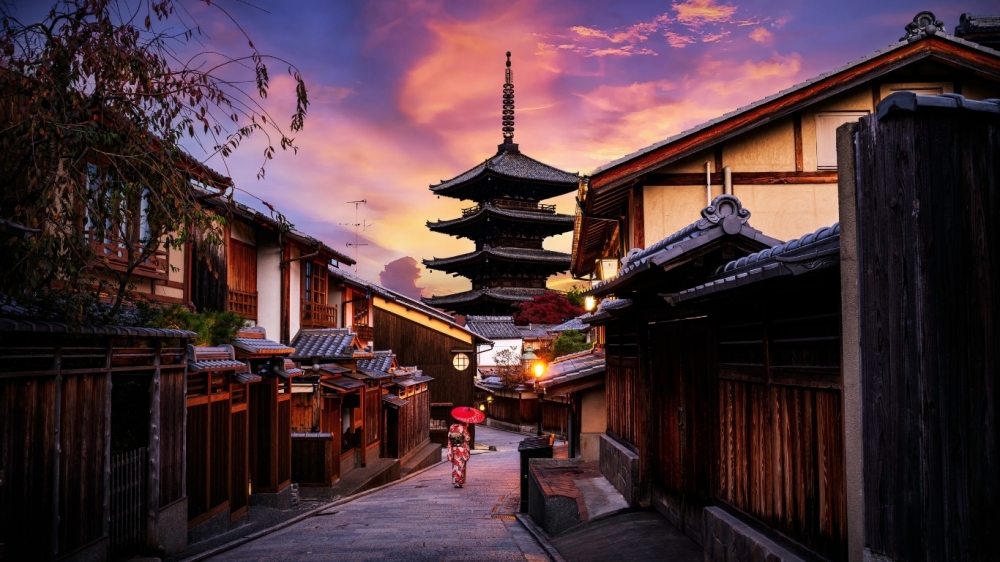
A locally hosted journey sits between completely independent travel and a traditional escorted group tour.
Travelers do not follow a tour manager and large group throughout the entire vacation. Instead, local hosts and guides provide support at the points where it matters most, while leaving room for independent exploration.
| Locally Hosted Rail Vacation | Traditional Escorted Tour |
|---|---|
| Travel independently between many experiences | Travel with the same group |
| Local support throughout the itinerary | Full-time tour manager |
| Free time built into the journey | More structured daily schedule |
| Personalized guidance at key points | Group-focused sightseeing |
| Flexibility for individual interests | Limited itinerary flexibility |
Each evening, guests receive information at their hotel detailing the following day’s meeting time, lobby location, and guide’s phone number. Guides meet travelers with a Railbookers sign displaying the guest’s name and can often accommodate specific requests during touring.
This approach provides reassurance without taking away the freedom that makes independent travel so rewarding.
How do train boarding and station arrivals work?
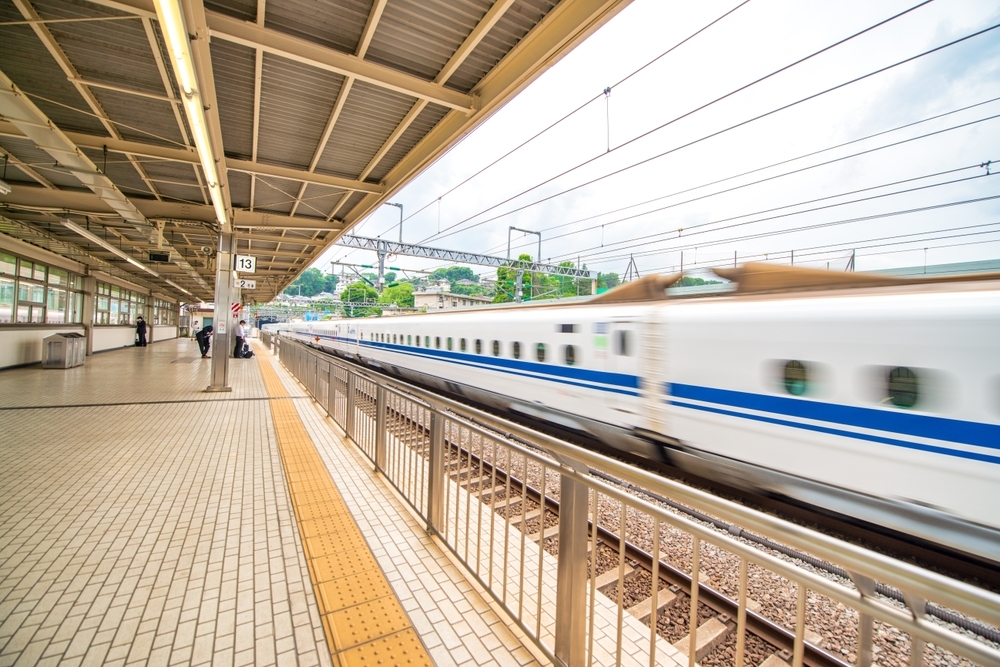
Japan’s major railway stations are busy and can be overwhelming, especially for travelers who are unfamiliar with the layout, signage, and boarding process.
On Railbookers’ locally hosted tours, guides escort guests directly to their trains and remain with them until departure. At the next destination, another guide meets them at the point where their carriage arrives.
Travel materials are organized to include key details such as:
- Train departure times
- Assigned seats
- Carriage numbers
- Attraction vouchers when applicable
- Daily itinerary information
The result is a rail experience that feels much more manageable, particularly for first-time visitors who may be concerned about navigating stations or finding the correct train.
What are Japan’s trains like?
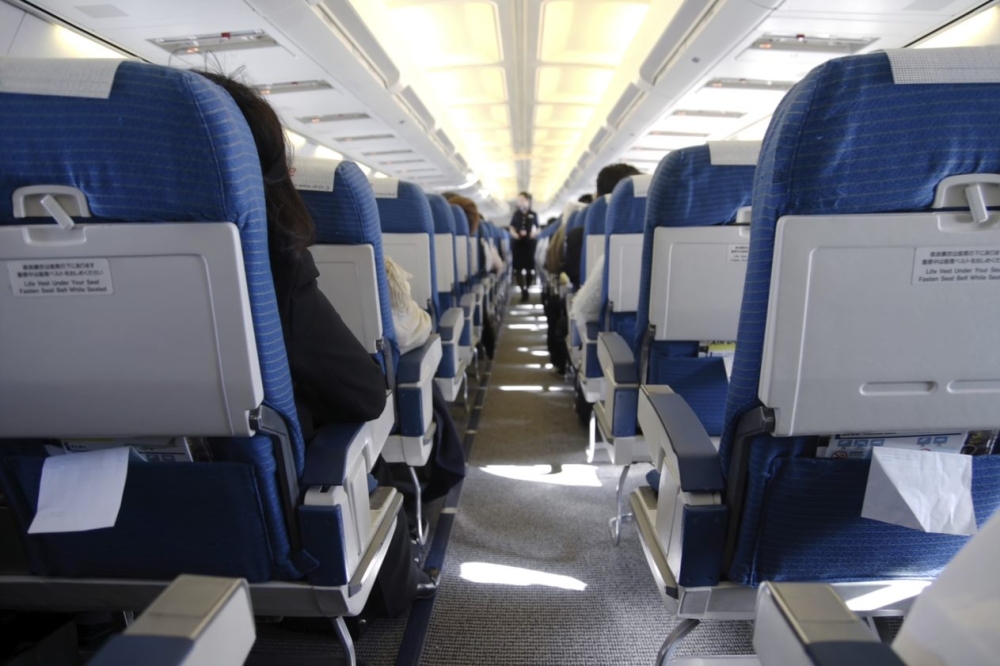
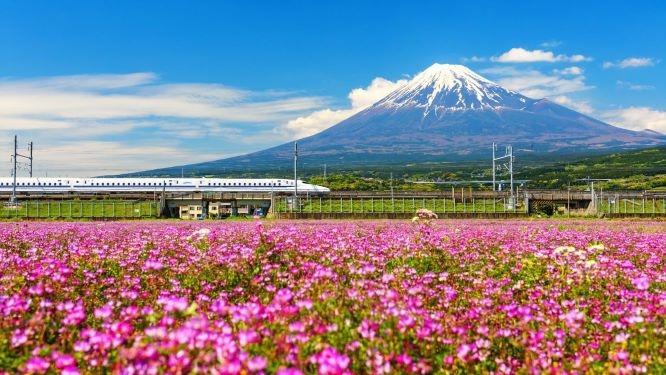
The Shinkansen is known for fast and comfortable service between many of Japan’s major cities. Railbookers offers premium Green Car first-class seating whenever it is available as part of the itinerary.
Travelers should keep a few practical points in mind:
- Wi-Fi may be available but can be unreliable.
- Carrying some Japanese yen for snacks and drinks is recommended, as credit cards may not be accepted for onboard purchases.
- Food and beverages can also be purchased before boarding.
- Travelers should keep their tickets and travel documents accessible.
Reserved seating makes it easier to know where to board and where to sit. During certain peak periods, some Shinkansen services may operate with reserved seating only, making advance planning especially important.
How does luggage work on a Japan rail vacation?
Luggage is one of the most common questions travelers have before visiting Japan.
On select Railbookers itineraries, luggage transfer service is included between Kanazawa and Kyoto. Guests leave their larger bags with the hotel concierge and travel with a smaller overnight bag until the luggage arrives at the next designated hotel.
This service is included on select itineraries such as:
On rail segments without luggage transfer, seats are requested near reserved luggage storage areas whenever possible. Overhead racks can accommodate many standard suitcases, but travelers should be comfortable handling their own bags, as porter assistance is generally not available.
Certain Shinkansen routes require reservations for oversized baggage with combined dimensions greater than 160 centimeters, or approximately 63 inches.
As with all rail vacations, packing light and using a manageable suitcase can make the journey much easier.
What should travelers pack for Japan?
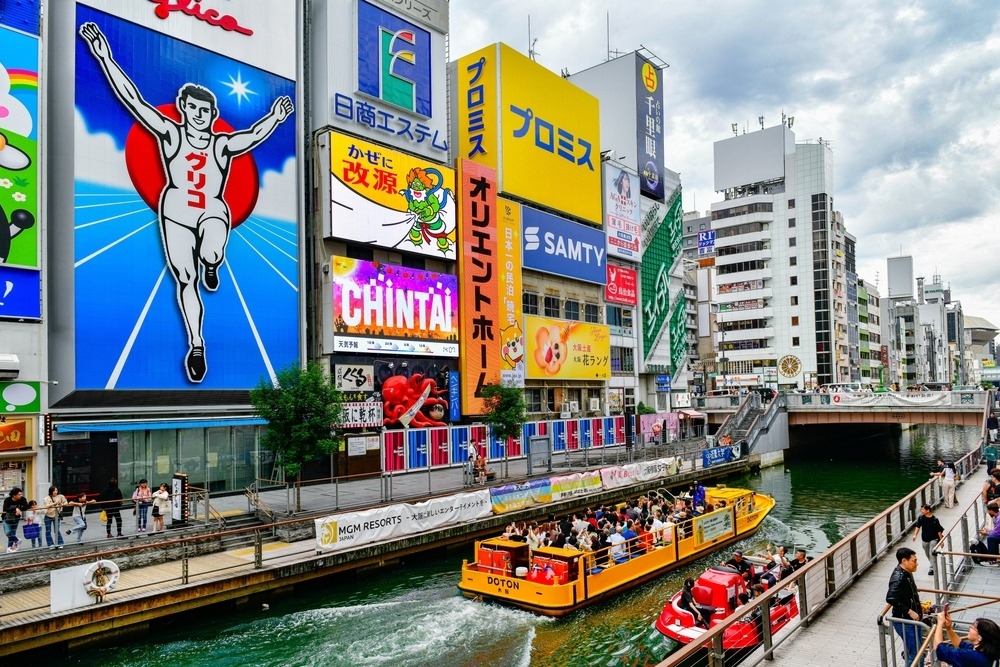
A Japan rail vacation may involve moderate walking, local trains, taxis, occasional stairs, and some bus transportation.
Helpful items include:
- Comfortable walking shoes
- Slip-on shoes for temple visits
- Socks in good condition
- A small day bag
- A reusable water bottle
- A portable phone charger
- A compact overnight bag
- Some Japanese yen
- Any essential medications
Slip-on shoes are particularly helpful in Kyoto and Nara because visitors may be asked to remove footwear when entering certain temples, shrines, traditional buildings, or private spaces.
Travelers should also download WhatsApp before departure because guides may use it to communicate during the journey.
Do travelers need to carry cash in Japan?
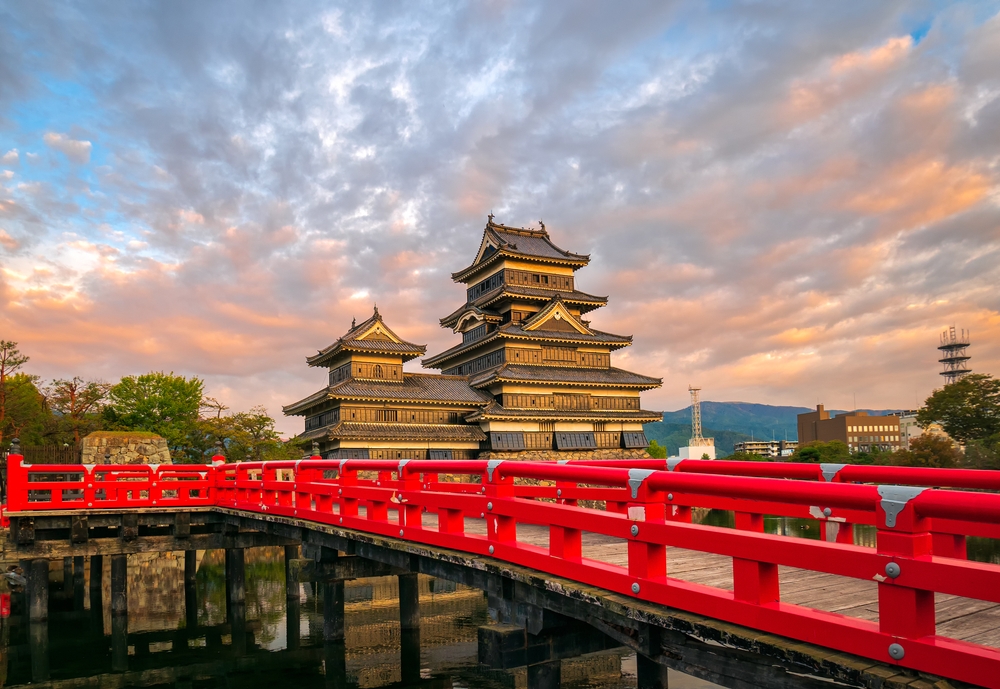
Credit cards are widely accepted at many hotels, restaurants, stores, and taxis in major cities, but Japan still has businesses and transportation services that operate primarily with cash.
Travelers should carry some Japanese yen for:
- Smaller restaurants and shops
- Snacks and drinks
- Rural taxis
- Temple or shrine purchases
- Minor personal expenses
- Businesses that do not accept international cards
Cash may be particularly useful outside Japan’s largest cities. Some taxis accept credit cards, while others may require cash.
Denominations of Japanese yen up to ¥1,000 are issued in coin form. Many travelers find it helpful to bring along a small coin purse or other storage to organize their change.
Is tipping expected in Japan?
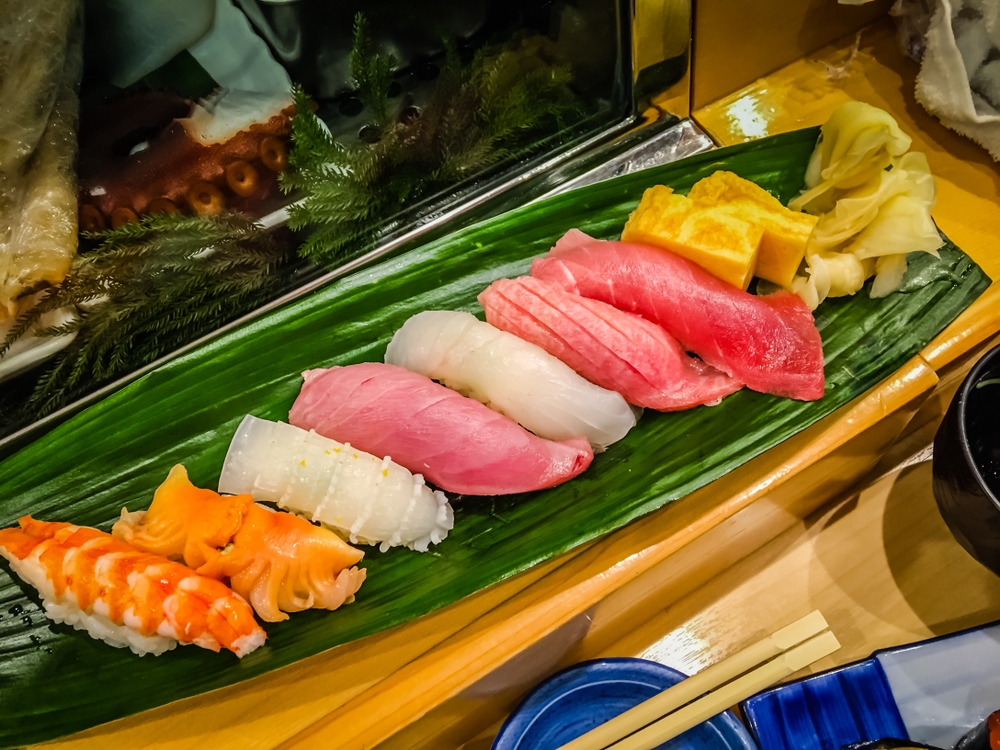
Tipping is generally not customary in Japan. It is not normally expected in restaurants, taxis, hotels, or many other service situations.
Guests are therefore not expected to tip local guides in the same way they might in other destinations. However, travelers sometimes choose to cover a guide’s lunch when dining together.
The high standard of service travelers experience is closely connected to the Japanese concept of omotenashi, a deeply rooted approach to thoughtful hospitality and anticipating a guest’s needs.
What other cultural differences should travelers know?
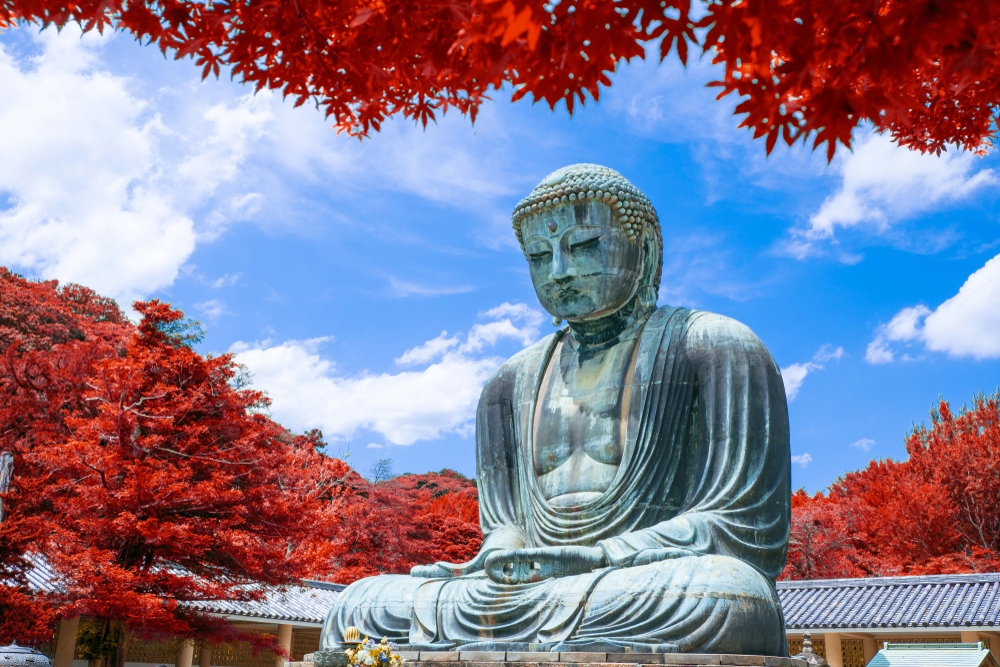
Many of Japan’s everyday customs are simple once travelers know what to expect.
A few practical examples include:
- Taxi doors often open and close automatically, so passengers should not operate them.
- Shoes may need to be removed in temples, traditional accommodations, and certain indoor spaces.
- Quiet conversation is appreciated on trains.
- Lines and organized boarding areas should be respected.
- Tickets and vouchers should be kept secure.
- Travelers should arrive promptly for meetings and departures.
Japan’s official tourism organization also encourages visitors to learn basic local customs because doing so creates smoother and more meaningful interactions.
Why visit Japan with Railbookers?
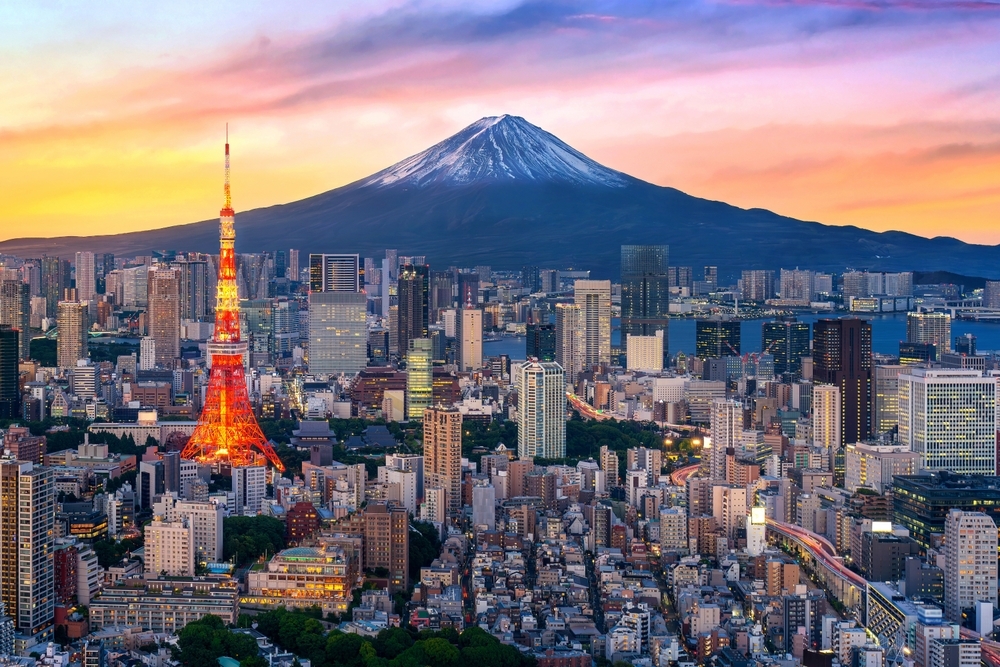
Japan is exceptionally well suited to rail travel, but planning a multicity journey still requires careful coordination.
Train reservations, hotel locations, luggage arrangements, sightseeing, guides, transfers, and cultural considerations all need to work together.
Railbookers brings those details into one thoughtfully planned itinerary. Local hosts help travelers navigate the journey, while built-in free time preserves the independence to enjoy Japan personally.
For travel advisors, that means having a vacation option that offers both structure and flexibility. For travelers, it means feeling supported without being tied to a traditional group tour.
Key Takeaways
- Railbookers’ Japan tours combine independent travel with local support.
- English-speaking guides assist with train boarding, arrivals, and cultural touring.
- Green Car seating is included whenever available on applicable journeys.
- Luggage transfers are provided on select itineraries.
- Travelers should pack light and be prepared to handle their own bags.
- Carrying some cash is recommended.
- Comfortable walking shoes and slip-on footwear are important.
- Tipping is not generally expected in Japan.
- Daily instructions help travelers know exactly where to be and when.
Frequently Asked Questions
Do I need to speak Japanese?
No. English-speaking local hosts and guides provide support throughout Railbookers’ locally hosted journeys. Travelers may still find a translation app helpful during free time.
Will someone help me board the train?
Yes. Guides escort guests to their trains and remain until departure. Another guide meets guests at the arrival point for their carriage.
Are train seats reserved?
Reserved seating is arranged where applicable, and Green Car seating is included whenever available as part of the itinerary.
Is luggage transfer included?
Luggage transfer is included on select itineraries and rail segments. On other journeys, travelers take their luggage onboard and must be able to handle it independently.
How much walking is involved?
Travelers should expect moderate walking, local transportation, and occasional stairs. Comfortable shoes are essential.
Is Wi-Fi available on trains?
Wi-Fi may be available, but service can be unreliable. Travelers should download important documents and itinerary details in advance.
Should travelers bring cash?
Yes. Credit cards are accepted in many places, but cash remains useful for smaller businesses, taxis, snacks, and personal expenses.
Are meals included?
Meal inclusions vary by itinerary and experience. Travelers should review the specific inclusions for their selected vacation.
Conclusion
A Japan rail vacation offers an incredible combination of modern cities, historic traditions, regional cuisine, and some of the world’s most celebrated train journeys.
With Railbookers, travelers do not have to choose between independence and support. Local hosts help manage the practical details, while the itinerary still provides the freedom to explore and experience Japan personally.
From the moment guests board their first train to their final cultural experience, every part of the journey is designed to make Japan feel welcoming, organized, and easier to enjoy.