

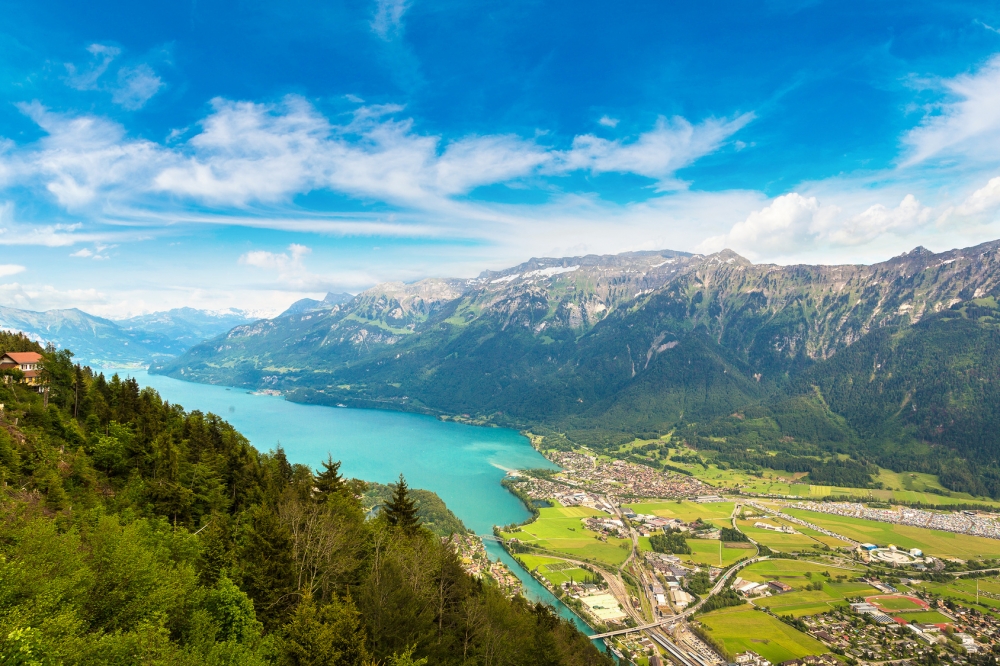
Bucket-List Rail Journeys for the Winter Solstice
The winter solstice brings the shortest day of the year to the Northern Hemisphere, giving rail journeys a different rhythm. Long twilight, snowy scenery, festive cities, overnight trains, and extended hours of darkness can all become part of the experience. From Arctic Norway and Alaska to Scotland and the Swiss Alps, trains connect travelers with some of winter's most memorable landscapes.
The appeal is not tied to one itinerary length. A single overnight journey can transform the trip between two cities, while a longer rail vacation can link several destinations and seasonal experiences. The possibilities depend on the route, local conditions, and the amount of time available.
| Journey | Winter-Solstice Character | Experiences Along the Way |
|---|---|---|
| Oslo to Bodo, Norway | Arctic twilight and long nights | Coastal scenery, northern culture, possible aurora viewing |
| Anchorage to Fairbanks, Alaska | Brief daylight and vast winter landscapes | Snowy wilderness, city stays, possible northern lights |
| London to the Scottish Highlands | Overnight travel and atmospheric winter arrivals | Edinburgh, castles, whisky regions, Highland scenery |
| Zermatt to St. Moritz, Switzerland | High-Alpine panoramas in winter light | Mountain villages, viaducts, glaciers, resort towns |
What makes Norway memorable around the winter solstice?
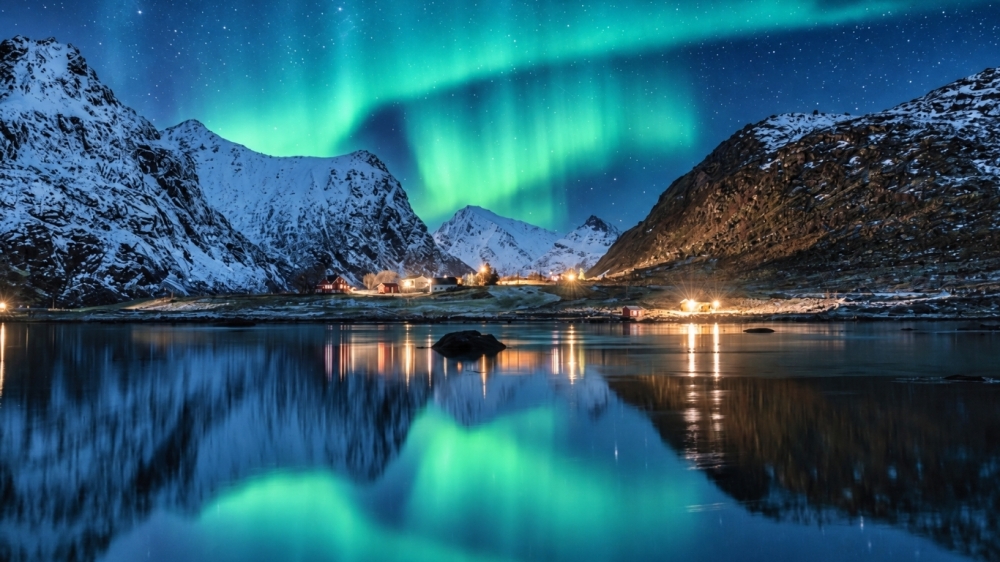
Norway's rail network carries travelers from its southern cities toward landscapes shaped by the Arctic Circle. The Northern Lights itinerary links Oslo, Trondheim, and Bodo, combining city time with a journey into Northern Norway.
Near the solstice, the sun remains low or may stay below the horizon in places above the Arctic Circle. Polar nights do not necessarily mean complete darkness all day. Depending on the latitude and conditions, the blue hour and colorful twilight can illuminate mountains, water, and snow for part of the day.
The extended darkness also creates more potential viewing time for the aurora. It is still a natural phenomenon, so a clear sky and solar activity must cooperate. Even without a display, travelers can experience distinctive winter light, waterfront cities, Arctic culture, and the changing scenery between southern and northern Norway. Railbookers offers a variety of rail vacations throughout Norway, offering something for every kind of traveler.
What can travelers experience by rail during winter in Alaska?

Alaska offers a dramatic contrast between a compact window of daylight and long winter nights. The Northern Lights and Alaska Railroad in Winter journey connects Anchorage and Fairbanks through a landscape of forests, broad valleys, and mountain views.
Around the solstice, Fairbanks receives only a few hours of direct sunlight, with additional twilight before sunrise and after sunset. That low light can bring pastel skies and a quiet quality to the landscape. The region's long nights fall within its aurora season, although sightings can never be guaranteed.
Depending on the itinerary and seasonal availability, time in Fairbanks can include museums, Alaska Native cultural experiences, hot springs, dog sledding, or guided aurora outings. Snow, temperatures, and operating schedules vary, though.
How does an overnight train shape a winter trip to Scotland?

The Caledonian Sleeper turns the journey from London to Scotland into part of the vacation. Passengers board in the evening and arrive the next morning in destinations that can include Edinburgh, Glasgow, Inverness, Fort William, or Aberdeen, depending on the service selected.
An overnight train is especially well suited to the season's long hours of darkness. It can connect bright city streets with a morning arrival in Scotland, where winter light brings a subdued atmosphere to castles, lochs, historic towns, and Highland landscapes.
Railbookers' Whisky, Castles, and the Caledonian Sleeper itinerary brings together rail travel and several of Scotland's best-known themes. Exact scenery and conditions will vary, and snow is not assured, particularly at lower elevations. The seasonal appeal also comes from historic interiors, local food and drink, and the contrast between lively cities and rural settings.
What does winter add to a Swiss panoramic rail journey?
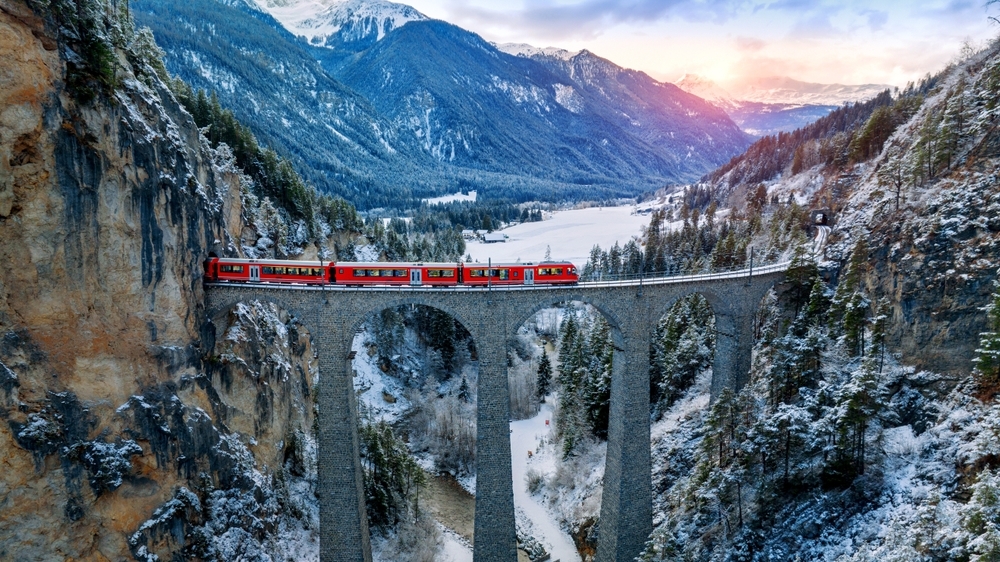
Switzerland's panoramic trains place Alpine scenery at the center of the experience. The Classic Glacier and Bernina Express itinerary combines two celebrated routes with popular destinations including St. Moritz.
On the Glacier Express route, travelers can see high mountain passes, the Rhine Gorge, villages, and landmark structures including the Landwasser Viaduct. The Bernina Express route continues through dramatic changes in elevation and landscape. In winter, snow can transform higher terrain, while low-angle sunlight and early dusk give the journey a different visual character from summer.
Conditions will vary by elevation and date, and scenic services may follow seasonal timetables or planned operating breaks. Still, the route offers magnificent scenery, panoramic windows, mountain communities, and access to winter resort towns.
What practical details matter for solstice rail travel?

Winter rail travel rewards flexibility. Solstice daylight varies substantially by latitude: Scotland and Switzerland have short days, while destinations farther north may have only brief direct sunlight or polar twilight. Sightseeing hours, excursion schedules, and opening times may also be seasonal.
Warm, layered clothing and footwear suited to cold or wet conditions can make station transfers and outdoor activities more comfortable. Travelers may also want to check luggage guidance, seat or sleeper reservations, and the latest schedules before departure. Weather can affect any transportation system, so leaving room around important connections can be useful.
How can Railbookers connect these winter experiences?
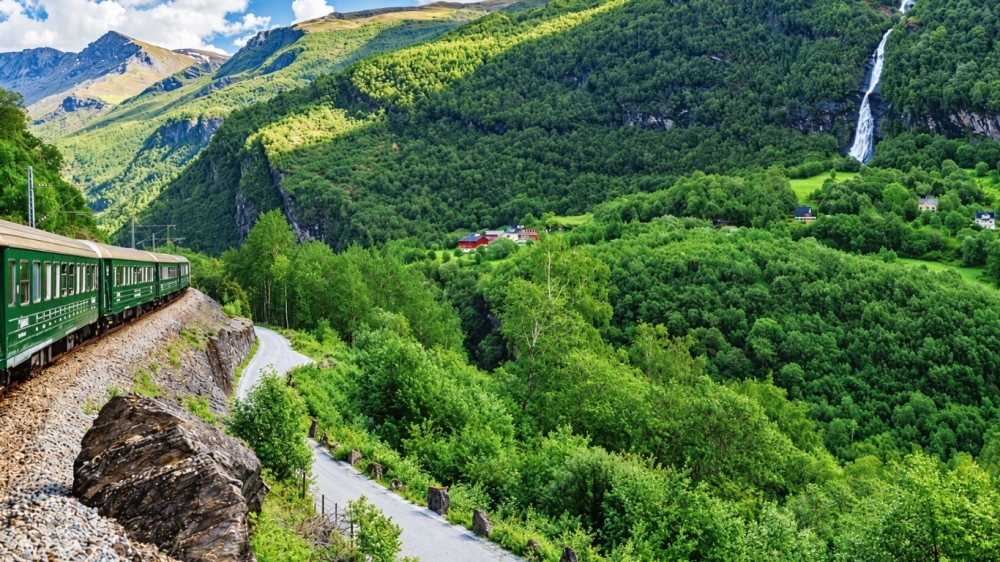
Railbookers can combine rail tickets, hotels, sightseeing, and selected excursions into one customizable vacation. A trip can focus on a single signature train, connect multiple cities, or add destinations before and after the featured journey.
Our collection of winter experiences offers seasonal journeys across Europe and North America.
Key Takeaways

- Rail journeys on or around the winter solstice can feature Arctic twilight, overnight travel, mountain scenery, and festive cities.
- Norway and Fairbanks offer long nights that may support aurora viewing, but the northern lights are never guaranteed.
- Polar nights can still include periods of twilight rather than uninterrupted complete darkness.
- Snow cover, weather, daylight, and seasonal operations vary by destination and date.
- Rail trips can be adapted to different timeframes and combined with hotels and local experiences.
Frequently Asked Questions
When is the winter solstice?
In the Northern Hemisphere, the winter solstice usually occurs on December 21 or 22. It marks the shortest day and longest night of the year.
Is it completely dark all day above the Arctic Circle?
Not always. During polar nights, the sun does not rise above the horizon, but many places still experience twilight and colored skies. The amount and quality of light depend on latitude, weather, and the date.
Are northern lights sightings guaranteed on a winter rail vacation?
No. Darkness helps create viewing opportunities, but aurora activity, cloud cover, and local light pollution all affect visibility.
Will every winter rail journey have snow?
No. Snow is more likely in northern and high-elevation areas, but conditions change from year to year and along each route.
Can winter-solstice rail trips fit different vacation lengths?
Yes. Travelers can build around one overnight or panoramic train, stay in a single region, or connect several destinations. Available combinations depend on rail schedules and seasonal services.
A Different Way to See the Shortest Days
The winter solstice changes how a landscape is seen. Daylight becomes a limited but vivid part of the journey, while twilight, illuminated cities, and long evenings take on greater importance. By rail, travelers can watch those transitions unfold between destinations, whether crossing Arctic terrain, waking in the Scottish Highlands, or moving through the Swiss Alps.


